


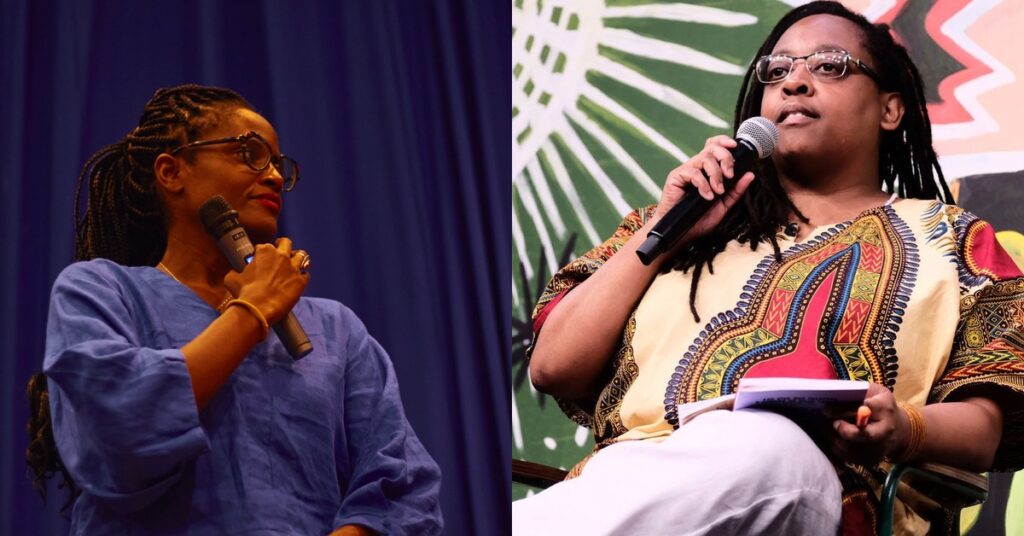
Djamila Ribeiro “opened floodgates” for Black authors, says Cidinha da Silva
June 6, 2026




Djamila Ribeiro has been identified by writer Cidinha da Silva as one of the leading figures responsible for expanding the space occupied by Black women authors in Brazil’s publishing industry. In an interview with Agência Brasil during the launch of her new book Quando borboletas furiosas se tornam mulheres negras: Nós e os livros (When Furious Butterflies Become Black Women: We and the Books), Cidinha stated that the Brazilian philosopher “did not just open doors; she opened floodgates.”
The statement carries particular weight in a context where Black women writers still face structural barriers to publishing, participating in literary events, and gaining critical recognition. Reflecting on contemporary authors who have transformed the publishing landscape, Cidinha emphasized that Djamila’s impact goes beyond the scope of her own work. According to her, the Plural Feminisms (Feminismos Plurais) collection and the philosopher’s ability to build networks and negotiate within the industry helped create opportunities for a wide range of Black voices to find space for publication and circulation.
“The space of Black protagonism occupied by her deserves in-depth study,” Cidinha said, adding that Djamila’s negotiating skills within the publishing market are “inspiring” and have helped establish new standards for Black authorship in Brazil.
By using the metaphor of “floodgates,” Cidinha suggests a movement broader than the simple inclusion of new authors in publishing catalogs. The image points to the creation of lasting flows capable of reshaping the literary landscape. It is not merely about opening paths for individual careers, but about enabling different Black experiences to find readers, publishers, and public recognition.
For Cidinha, the growing presence of Black women in the publishing industry has allowed characters once reduced to stereotypes to be portrayed with “life, dignity, and humanity.” In her view, this process expands bibliodiversity and helps “reforest the imagination.”
In a country where the struggle over narratives remains central to confronting structural racism, Djamila Ribeiro’s recognition by a writer of Cidinha da Silva’s stature highlights the reach of an intellectual project that has helped transform both public debate and the concrete conditions for the circulation of Black authorship in Brazil.
Read Cidinha da Silva’s full interview about her new book Quando borboletas furiosas se tornam mulheres negras: Nós e os livros:
https://agenciabrasil.ebc.com.br/cultura/noticia/2026-06/mulheres-negras-no-mercado-editorial-historias-ganham-humanidade
Translated by AI
Related articles
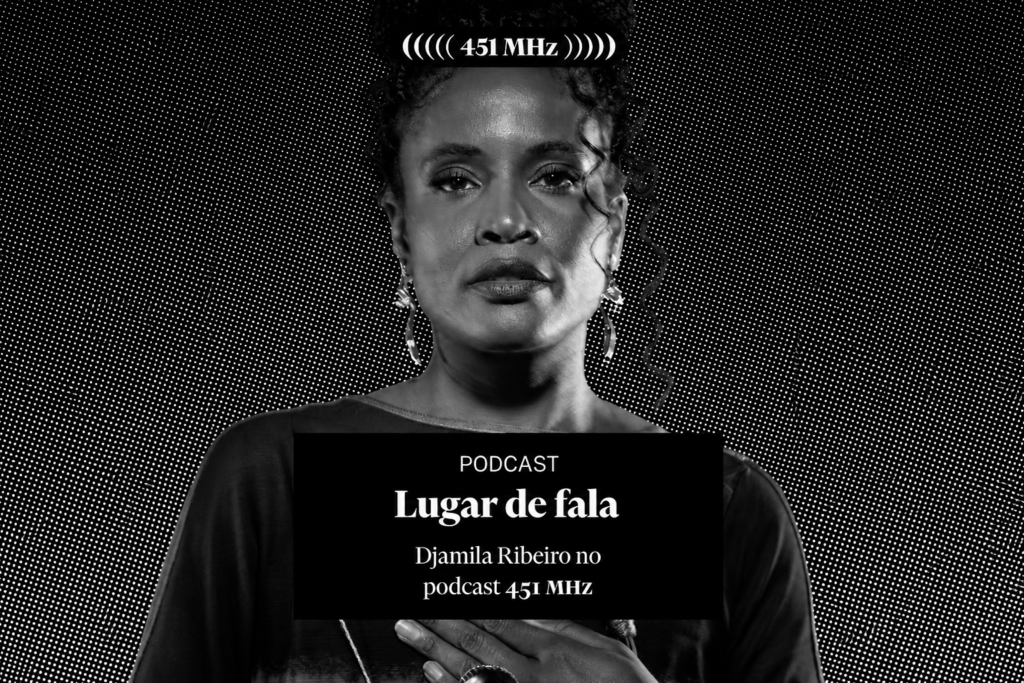
451 MHz Podcast: Djamila discusses the new edition of Lugar de fala and updates to the Feminismos Plurais Collection
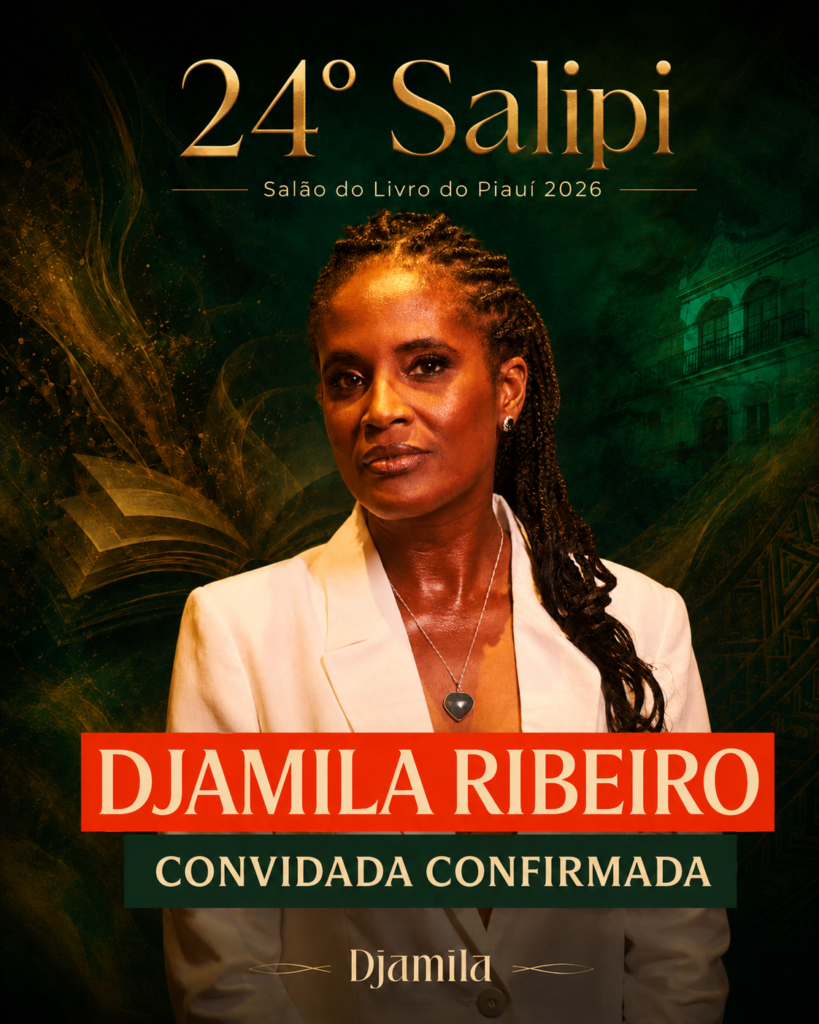
Djamila Ribeiro brings debate on literature, education and democracy to SaLiPi 2026
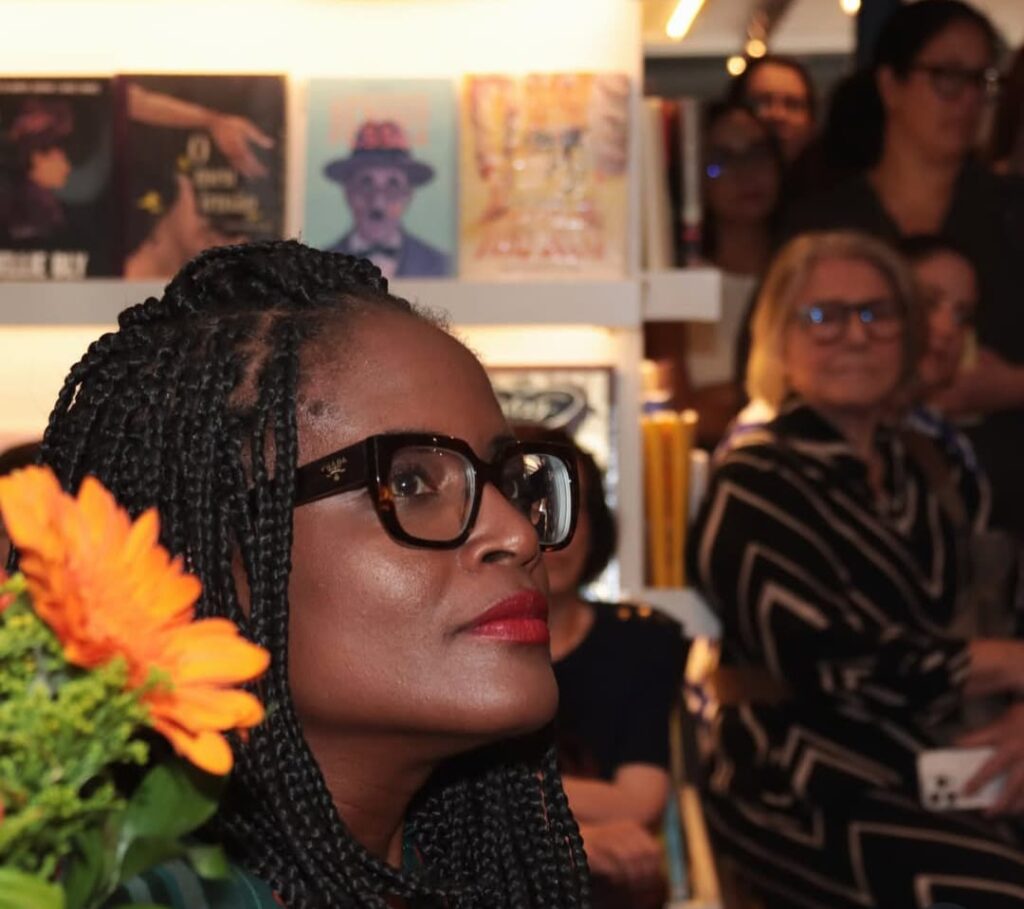
Lugar de Fala (Where We Stand) is required reading for admission to Human Rights at the USP Law School